
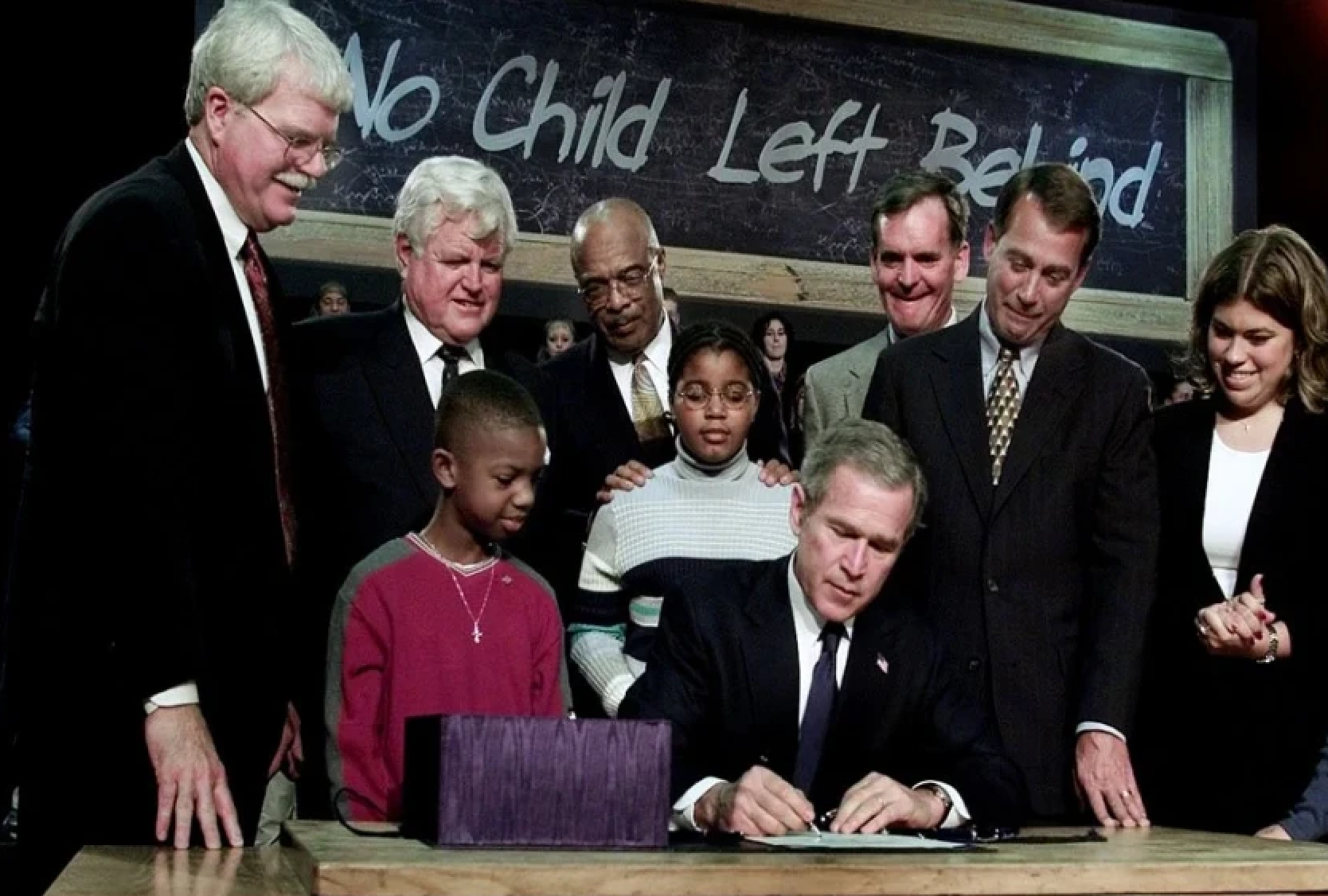
“We need a fresh and humane vision of what schools might become because what our schools become has everything to do with what our children and our culture will become. We need reform efforts that are better than those we now have.”
Eisner Eisner
Friends,
Those of you who know me know how fortunate I was to have grown into the principalship during a wonderful time for education—a time defined by a collective belief that schools could be places of deep, intellectual discovery.
You also know how frustrating it has been for me to watch the last two decades as we’ve strayed from that path. Of late, it’s become harder for me to speak to this new generation of educators about what has been lost. So much pedagogical distance stands between us now; many have only ever known the "sad detour" of No Child Left Behind and the relentless quest for "rationalization" that has eaten away at the heart of our schools.
A Gem Rediscovered
While changing computers recently, I stumbled upon an essay that served as our "north star" in the early days of NCLB: "What does it mean to say a school is doing well?" by the late, brilliant Elliot Eisner. (link below)
I was overjoyed to find and re-read it. Eisner offers a thoughtful, disciplined exploration of why "rationalizing" schools was never the right idea. For the benefit of present-day policy makers and perhaps more importantly, front-line educators, he describes with painful precision the "sticking points" that continue to foil us today. (A brief digression: Jal Mehta wrote an excellent chapter about this very phenomenon in his book, "The Allure of Order"—worth a look if you haven’t seen it.)
Perhaps more importantly, the latter pages of this essay are dedicated to delineating the clear potential for joyful learning and the indispensable value of the questions we should be asking. Eisner argues that we must move away from a "blinkered vision" of school quality and instead embrace improvisation, surprise, and diversity of outcomes as true educational virtues.
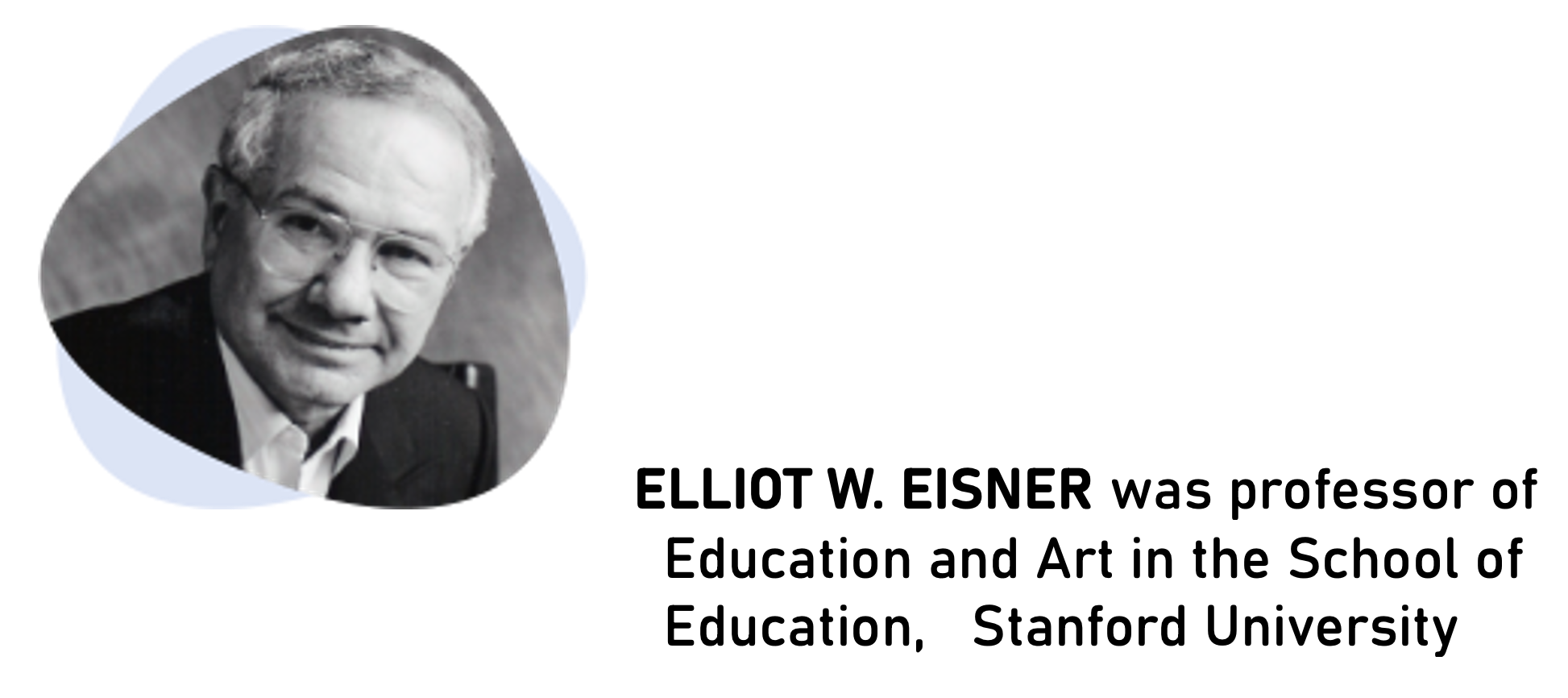
Please, do yourself a favor—regardless of where you fall on the continuum of experience—and take the time to read Eisner’s narration of how, in our desire to improve our schools, "education has become a casualty."
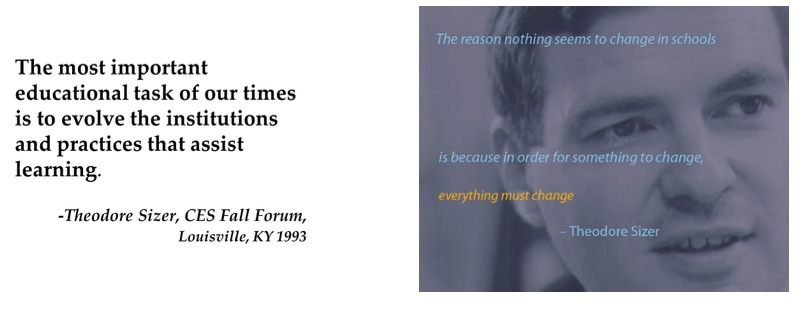
If it moves you as it has me, please share it with your colleagues. I hope it not only explains our present "lackluster circumstances" but moves you to return to Sizer’s call: evolving the institutions and practices that truly assist learning.
There is so much to be done to get us back to the real work. Best wishes,
Larry Myatt
www.educationresourcesconsortium.org