WELCOME TO ERC VANGUARD
COVID is feeling farther behind us. Things for young people are settling down, so it’s a good moment to take a journey with Zach, a second-year high school student at one of the ERC Vanguard Academies. ERC Vanguard is a place where you’ll find a new architecture for learning, with a new curriculum approach, where teams of students are supported in highly individualized work by an inquiry ‘tool kit’. Zach, his classmates, and teachers navigate a dynamic mix of curiosity and thrill, flexibility, structure, and challenging intellectual work. Take a look!

A DIFFERENT KIND OF SCHOOL
Hey, good morning. I’m Zach. Welcome to ERC Vanguard! I’m happy to show you around today. It’s a really different kind of school so I’ll try to explain what’s up. There’s a lot of different names and terms here, so if you have any questions, please ask. I’ll try to introduce you around, too. I’m supposed to give you a feel for what it’s like for students and teachers here.
So, as you can see, we start every morning with Atelier. That’s like an open time, usually for a half hour. It’s not so much free time as it is for everyone to get organized, to find the people you’re working with and get ready for the day ahead or the week ahead, whatever it is you have to do. Today I need to find out who from my team found the Ted Talk video someone recommended to us. I also have to sign up for the community bus that goes downtown three times a day.
Yesterday I used Atelier time to connect with the Community Recycling office to arrange a Zoom interview with the manager for tomorrow morning. That interview is a part of my Interlock project, something where we connect what we’re learning to take on things that contribute to the community. The Interlock projects are kind of a big deal, like some schools have a Senior Project or a Capstone, but ours are bigger and longer, and they really have to involve something positive in the community, and this is the first one I’m doing by myself.
So, again, Atelier is the first half hour of every day. It comes from the word for “studio”. It’s basically a time we get to do whatever’s needed for the rest of the day. Usually it’s just enough time for me to find whoever I need to talk to --a teacher, or kids from my different teams to discuss our projects. Sometimes it can be stressful because I might need to connect with a bunch of people, but sometimes it’s chill, when I’m all caught up and I can read. Sometimes we have a Town Meeting at the beginning of the day to talk about things going on in the school, or special events, but usually it’s our time to get ready to “take care of business”, as Ms. V says.
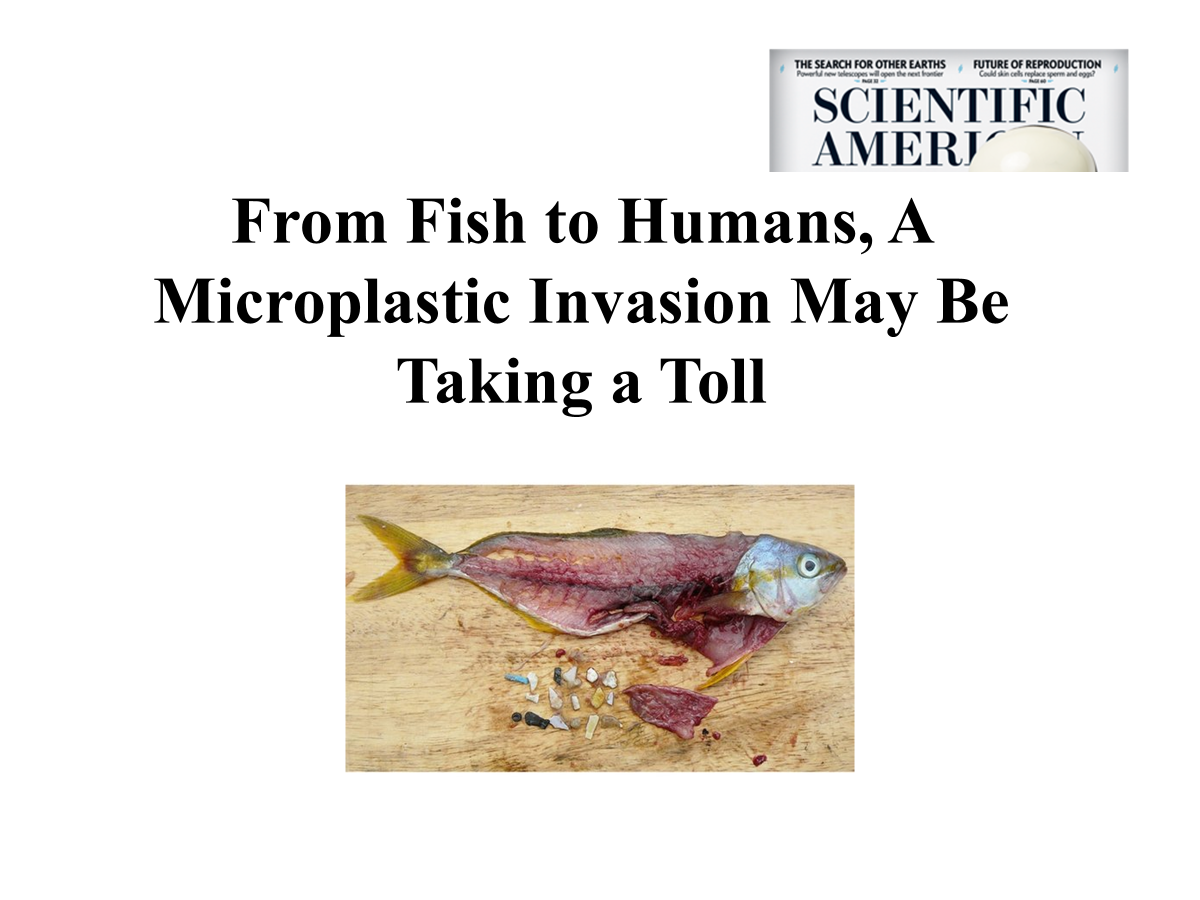
After Atelier, I’m going to be at a Seminar taught by Mr. Robinsky from the Math/Science faculty (M/S). A seminar is kind of like a “class,” where a teacher presents key information we’ll need to understand for the rest of the unit. We have one almost every day, sometimes two, about an hour each, but sometimes there aren’t any. Today Mr. Robinsky’s presenting on plastic --how it got developed, connections to the carbon cycle, and some of the science involved in recycling. Afterward, he’s having a grad student in to talk about new ideas for getting rid of bad plastics - web worms, bacteria, mycology, radical ideas starting all over the world. I think I might want to know more about some of that stuff. That guy- the grad student- will stay on and meet with different teams and since for M/S, I’m already on a team with Jamie, Ted, and Hakim, we signed up for a time slot with him. We want to ask more about the bacteria that eat plastic, and if they can live in this climate.
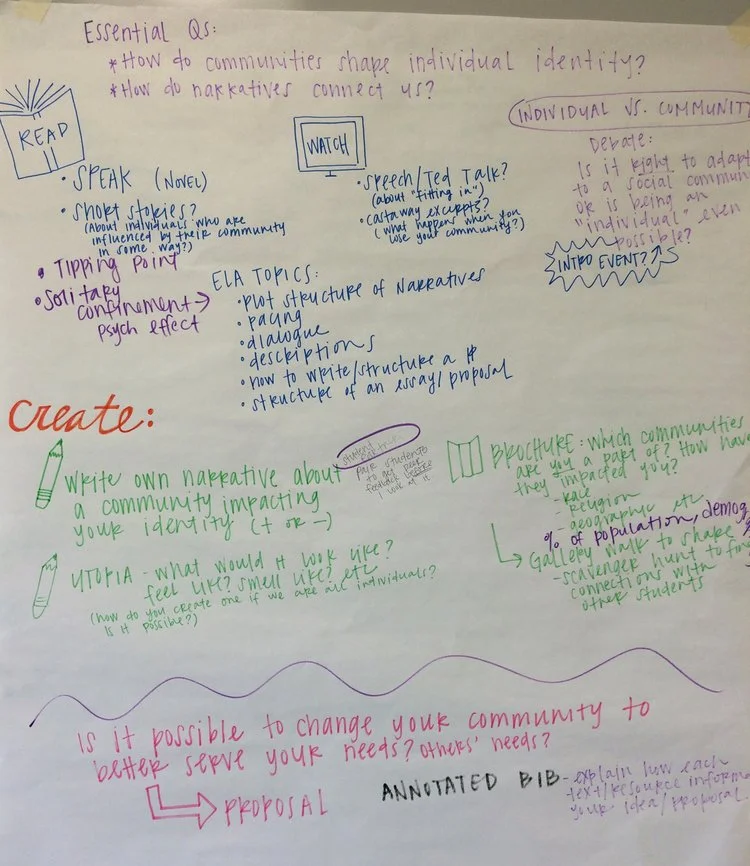
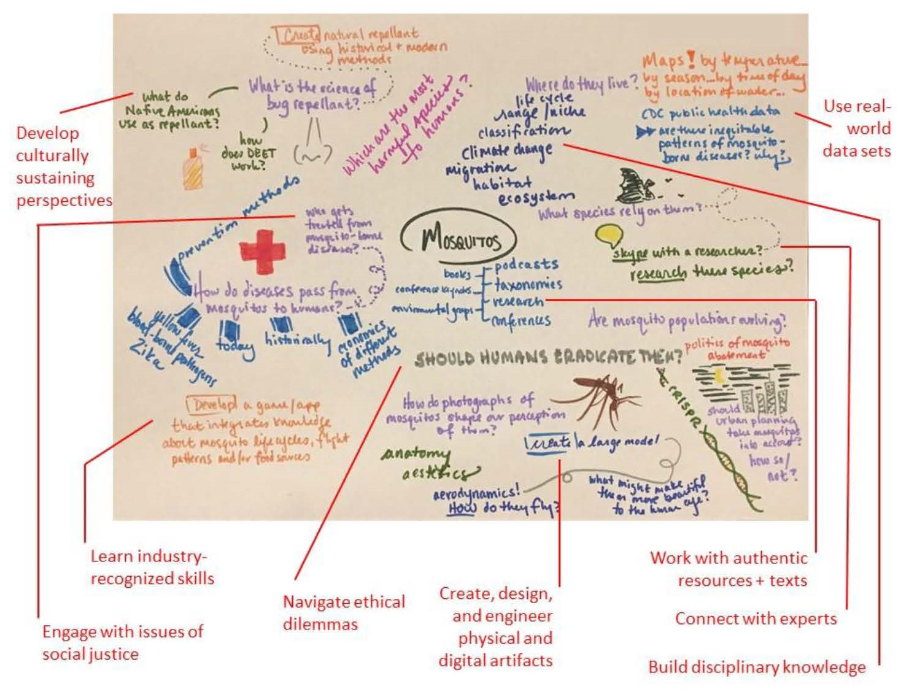
Learning Murals (above)

STUFF HERE CAN GET EVEN MORE INTERESTING
We started this plastics unit back in early December and it will go for about two more months, unless some of us want to ask to extend some of the work into the future, or make it part of an Interlock. The unit began with a Learning Mural that we created from a giant slide of two boys on a homemade raft, picking through a sea of garbage. It kind of got your attention, them living like that. Especially thinking about that right before the holidays – is it our holiday trash they’re picking through? We did a couple of rounds of writing questions and ideas on post-it’s, then Ms. V –Ms. Vasquez is her real name--showed us a few more slides to help us make connections with different things going on, or that we’ve studied that we might not have considered were related.
We can use AI, of course. Our teachers call it an “enhancement,” a way to improve on something you’ve already written, designed, built, you know. That’s what they emphasize, that WE have to start the thinking, and keep thinking, not just pass it over to a computer’s ideas. And we have lessons on how best to understand and use AI built into Seminars and other events here.
“I thought about it afterwards - about how they design landfills, and how sometimes trash and waste can pollute your drinking water. For homework, we had to come up with related images from other places, or even local pictures where plastics, waste, or pollution are getting out of hand. We have to annotate them. You know, make notes about why we picked them. I found one about a mine in Montana filled with water that changes colors it’s so poisonous. When we looked at teams’ different ideas for the collaborative slideshow, it was cool to see how many different directions kids take the topics. That’s what I like about doing it this way. Instead of becoming less interesting, stuff here can get more interesting! We had done a Learning Mural about water in Flint, MI. What a story. Now we have a project group that Zooms or FaceTimes with a high school there. We do projects with them, including Interlocks, and we can bring experts and interns to the work and they can, too.
THE POWER OF GOOD QUESTIONS
After a Learning Mural, a lot of us go to QFT sessions – Question Formulation Technique - to get our thoughts and notes organized. We can see who else is interested in certain parts of the issue, and we get down our big, “essential” questions which can guide you into our research. I brainstormed that one with Jamie, Ted, and Hakim and – once we had our goals laid out – we got approved to start our initial Curiosity Key presentation. Ted and Hakim are Year 3 guys and Jamie is Year 1. We usually get some time together every day, not including Atelier, and then two big planning blocks twice a week. Tomorrow, we’re going to debrief the Viewing Group we had on a PBS Frontline show on plastic pollution.
Here, check out the Curiosity Key that we use…
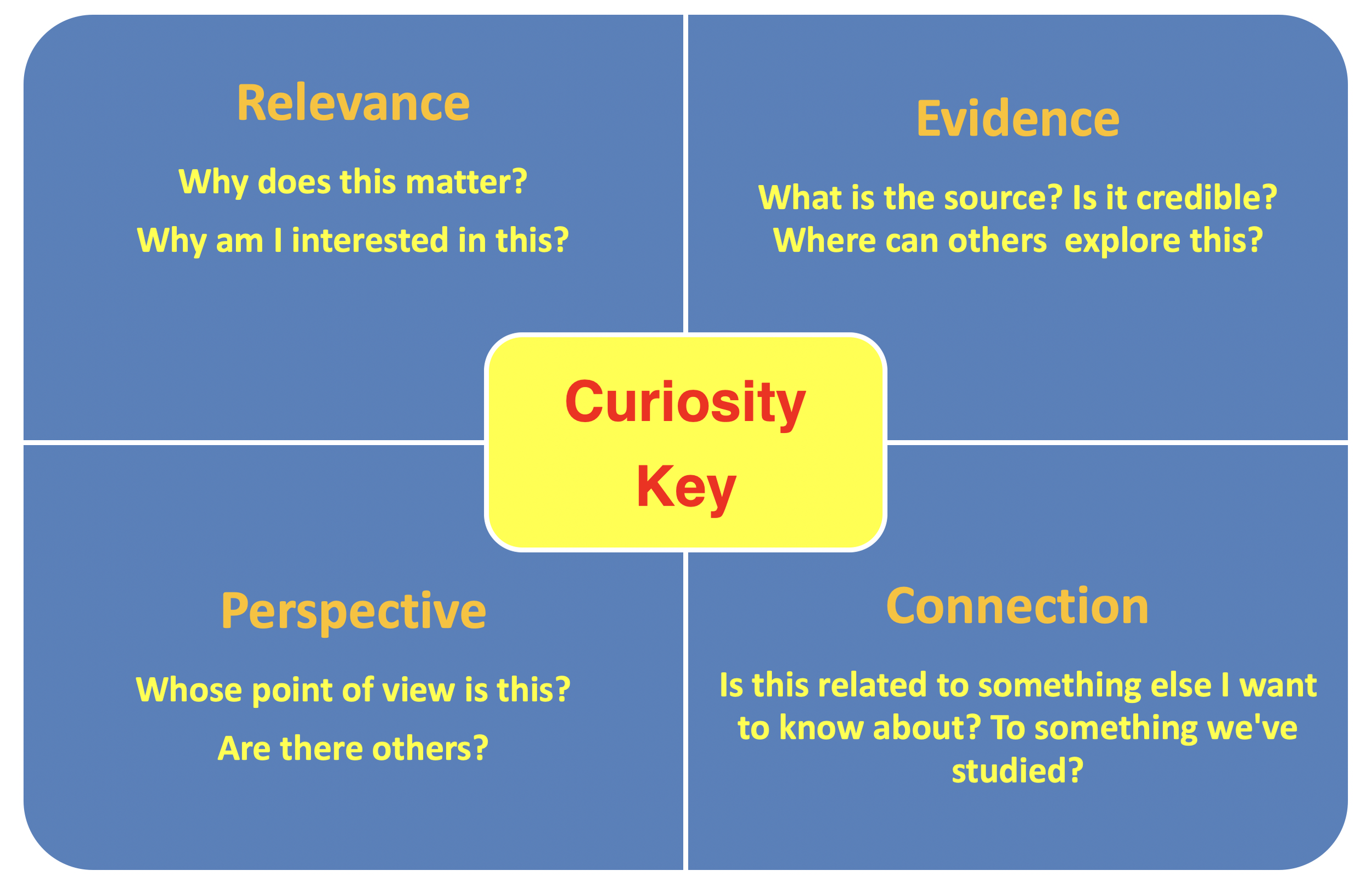
Some kids used to have ‘PBL’ in middle school, but that was pretty much the same activities, just added into regular classes. You got a few choices in how to present but the topics were always from the teacher. There are lots of projects here, but they’re longer and more complicated, in a good way, more connected, and we do scenarios and develop our own. Here we have an Inquiry Tool Kit that we use to help you figure things out on your own when you need to. At VA, the teachers try to help us do a lot of the thinking and make connections. We can make choices by negotiating about what we’re interested in, and we can do it using tools like the Learning Mural, EdCafes, and QFT. EdCafes are really cool. We lead them, not the teachers. That’s another way we can organize teams and figure out research.
The teachers talk a lot about Inquiry- it’s really just putting emphasis on questions, not just recalling facts. That hardly happens in regular schools. And as they say, it’s OUR questions that matter and how we try to answer them with tools, partners, research and “deep thinking”, they call it.
It took some time to get used to working with other kids -like really working with them, on a close level. Sometimes it’s not an issue, but it’s different from my lower grades before, where the teacher pretty much makes the rules and keeps order, so you get used to that. Here you have to learn what it takes to work together, and to try and do it well. One of the things we practice is learning how to give feedback. And take it ourselves. You can’t just say, “that’s lame” or “mad cool”, you have to say what things could make it better, and what things are already strong. We practice a feedback protocol. That’s part of the Tool Kit, along with QFT, the Curiosity Key, a design engineering process, doing Learning Murals, etc.
There are about 85 students and four or five adults in our Pod, which this year we’ve named “BBS” Pod --for big, bad, and smart. It’s corny but we like it. We put Marvel superheroes on the tee shirts we designed. We share a building with another, traditional high school. ERC Vanguard makes up about half of the high school. We’re about three years old. It got organized during the COVID thing, opened in 2024 and has been growing every year.
“You can’t just say, “that’s lame” or “mad cool”, you have to say what things could make it better, and what things are already strong.”
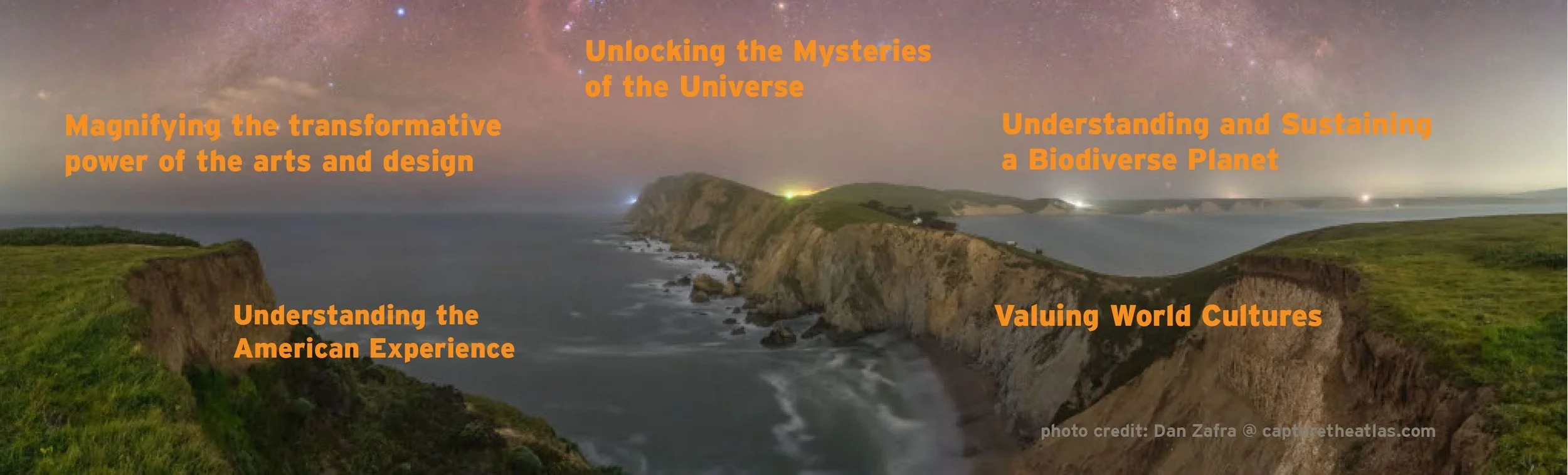
The Five Grand Challenges (above)
ORGANIZING LEARNING THAT MATTERS
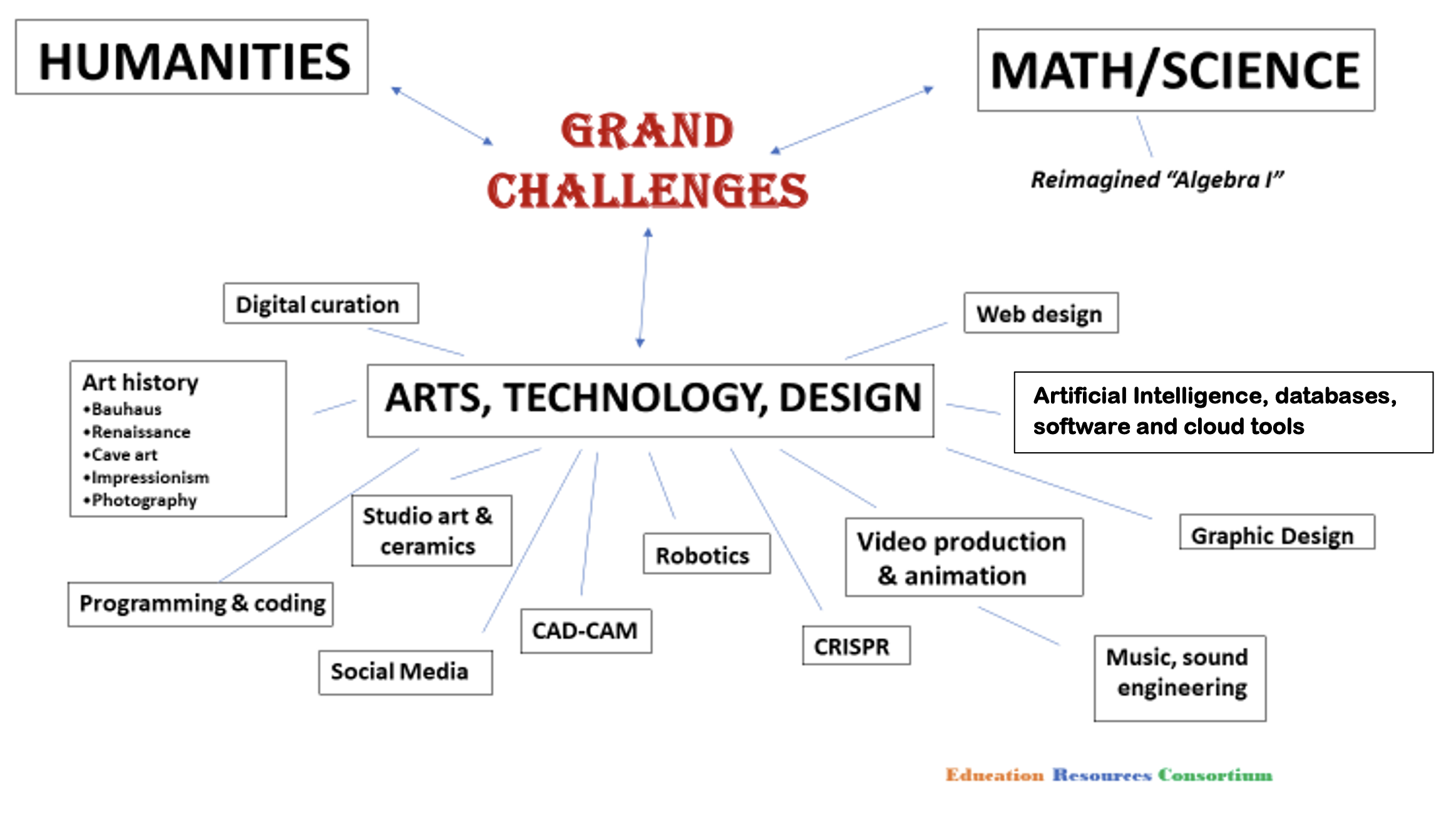
Before we signed up, and again at the beginning of the year, teachers spent some time talking with us, and to parents, about why the VA was not going to be divided up like middle school, I mean into a schedule with “classes”. See, take a look at this. I told you it was really different. This is kind of the “anatomy” of the school, I guess you could say.
Instead of having different classes separated into math, science, social studies, and English Language Arts, all the same length, we have integrated coursework and inquiry. We have M/S, and Humanities, and ATD. Most teachers in VA still have a specialty - we have at least one teacher from M/S , that’s what we call Math and Science domain, and Humanities, and at least two from ATD, that’s what we call Arts, Technology and Design. Those are our core teachers. Even though they have a specialty they also have other skills and knowledge areas. And sometimes other teachers from different Pods come in and present or work with us, and we can always go out of our Pod or out of the school and find someone to work with us or advise a project or an ALL. I’ll explain what an ALL is more later on.
Here we organize some of what we study using a framework called the Grand Challenges. I like it because it’s more about things that matter, stuff kids should know about, I think. What’s pretty different is the way we spend our week. We spend different amounts of time on what is important and what needs to get done in different domains. The teachers can build units around the Grand Challenges but we still can add mini-projects that we choose. We have seminars, entry events, and special presentations pretty much every week, in addition to the inquiry and project work. The ALL’s and modules can flex, and get scheduled around other events. That was pretty different at first, but pretty soon I liked it because you could stay with things you want to know about and work with other kids who are into that. I still have to do a lot of work on different skills in the domains, but it’s coming more naturally and sometimes, actually pretty often, I’m into doing work at home to bring into projects.
There are five Grand Challenges, by the way. They’re based on work the Smithsonian put together to help people explore important stuff from all different perspectives and professions. They got smart people, universities, labs, and museums together from all over the world and came up with this as a really good way to organize learning, research and partnerships for the future. Using Grand Challenges is different than using a textbook - they help connect us with other students, and experts, not just in our school but everywhere in the world, like who’s studying or concerned with something we are, or who also is into a certain topic, a book, social issues or music. I’m also getting into plastics and recycling, and thinking about what kinds of work there are fixing those issues. I wouldn’t want to go back to 50 minutes for each topic and each teacher and having to pretend we should be interested in what they choose for that day.
Excuse me for a minute, please?
“Ron! Ron-nie! Saber saw thing at 1. You there?”
“Yep”, the boy calls back, with a thumbs up.
Hold on, please let me go ask him about when we’ll meet afterwards. I won’t be long - check out the five Grand Challenges the Smithsonian came up with that we use.
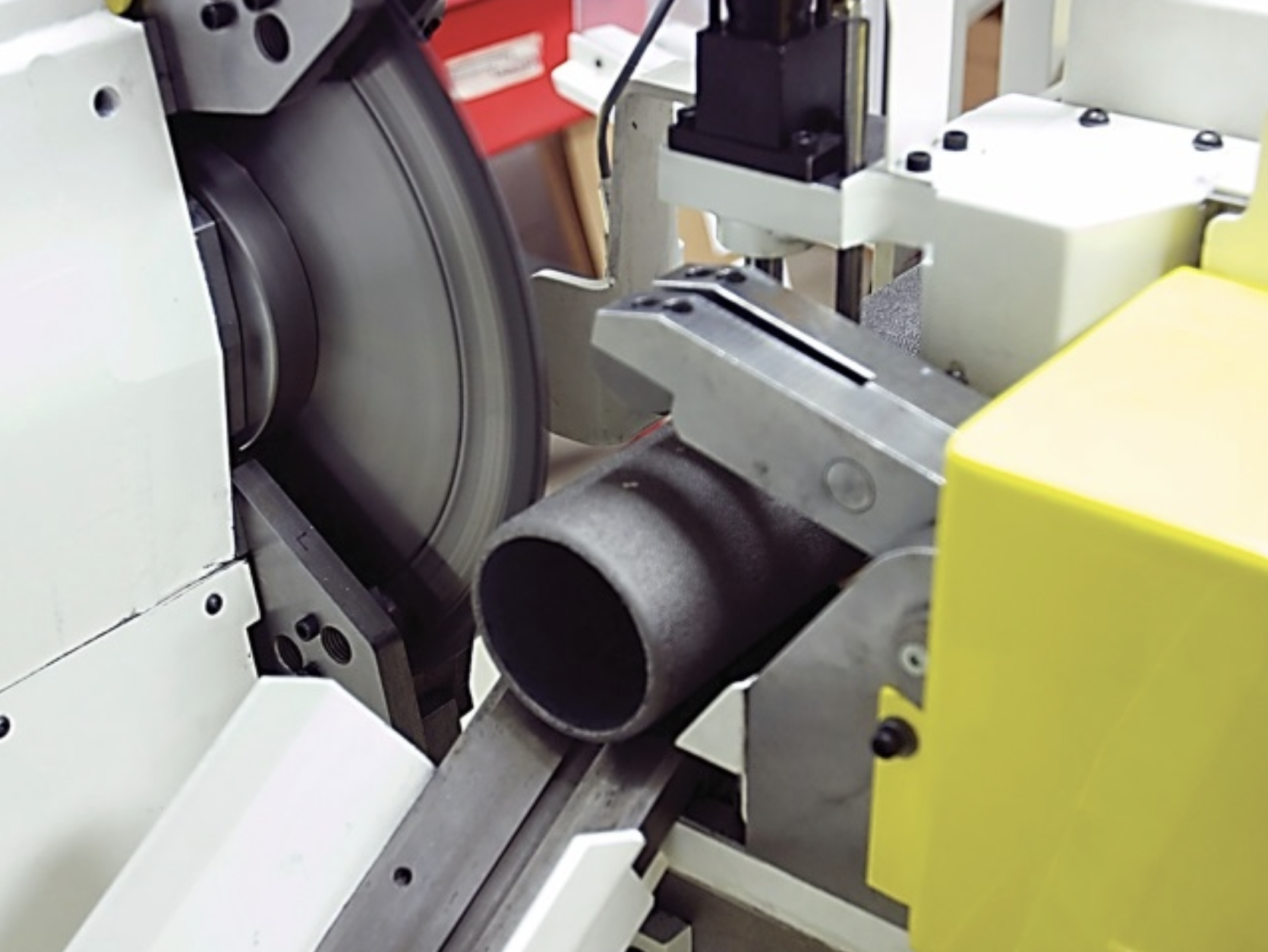
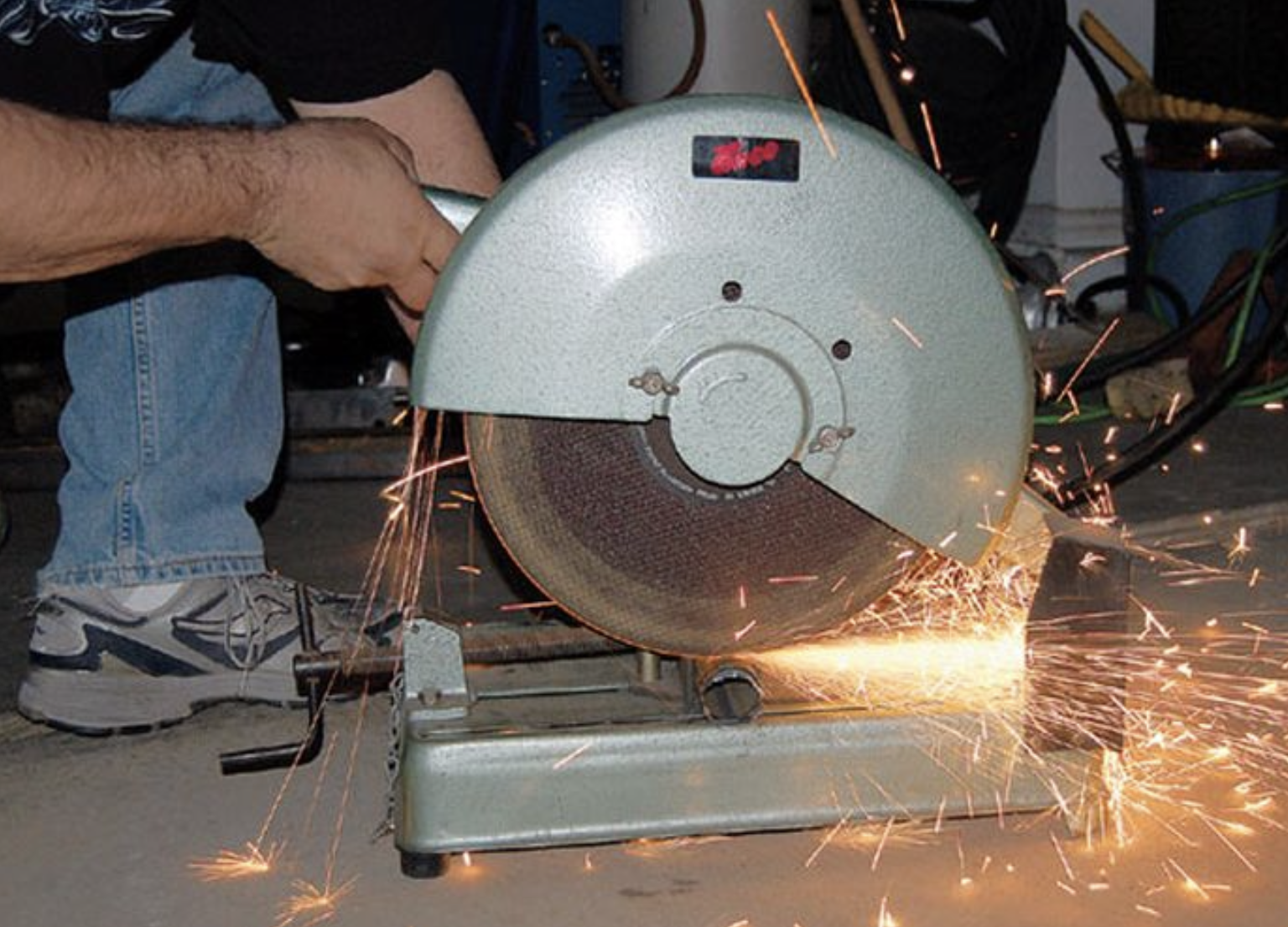
We’re cutting cylinders today for wind chimes we design and sell –all kinds of materials, but for kids into that project we have to get trained and updated in laser tools, so today the industry guys are here with our ATD staff. I work with Ronnie on that, and with Ronnie’s mom who has a little business with crafts, and quilts, and now she sells our wind chimes. We can customize our chimes for tones, placement -like where it gets wind, and size.
Architecture of Learning (below)
MAKING GOOD CHOICES
Sometimes Ronnie isn’t always on point in school. Well, I guess he is now. I think that’s why we get along. We’re both doing better in school in VA. So, I remind him when I see him of what’s up. I try to find him in Atelier and cue him up, just like other kids do with me.
Lots of times we decide who we work with, and learn with, not just our friends but kids into the same things, which helps us get along on the team. It’s not a free-for-all. We talk with the adults, too, about who’s on our project teams. Making good team choices gets more important especially when the project work matters more than the social stuff.
Sometimes you can work alone, if you can make the case that it’s what’s best for you right now. But you also have to work with different teams and different students, to help you learn what it will be like on a job. I also like that here you almost always work with different age students, not just the kids you were with every year since kindergarten. It doesn’t really matter how old you are to be into something and learn about it or do a project. It’s usually good to have older with younger kids because they’ve learned what it takes, and when you’re younger you want to get along with older kids, like on a sports team or club. I think with the feedback skills we learn, and the older kids there’s a lot less bullying than at some schools.
The teachers ask us a lot about which issues seem important, and most interesting to us, and why. We can use the Curiosity Key to help dig deeper. Also, we have polls, and if we want to take on one that others don’t want to pursue, we can make the case to do it ourselves or try to gather a team. We take time every few weeks to look at the Grand Challenges and new ideas that come out of them. Sometimes teachers or community people suggest them because of things happening in the community or the nation or world, because that’s the main idea --that we organize our thinking around knowledge that helps the planet and us along with it. We look at new ones as they come in and sometimes one of our ALL teams will develop a new one on their own and send it out. THAT is very cool! Everyone, just like any school, can be part of the Grand Challenge Network and work with them the ways they want.
HERE, STEM IS FOR EVERYBODY
I’m also thinking about working with a team with Hannah. She’s talking to Kate and Isaac, too, about maybe doing like a “Hanging Gardens of VA” project, finding old plastic bottles and using them to grow different kinds of plants and flowers, doing different designs that can hang on trellises we make. The local giant hardware place gives us lumber, old pallets, and hardware stuff. Kate and Isaac want us to do a demonstration project to present in VA and then make it available to other people who might want one in the school or the town, maybe at a Seniors or Elders Home.
Kate does a lot with iFp, Innovators for Purpose. She wants to try and do a remote internship with them. She thinks we could do like a “pop-up Hanging Gardens” at the Farmers’ Market and at the crafts fairs. Like the thing from Babylon, I think, but modern and we design it. After figuring out where and how to get the bottles, we’d have to design and build different hanging structures, research the right plants and flowers to fit the garden and the weather. I could see if there’s a What If Math spreadsheet, or if we could make one, for our data. I’ll talk to the team about who will be in charge of the video log for our planning charrettes. We have to present and get reviewed down the road.
Besides What If Math we partner with lots of groups, from close by and some far away. Two that are involved a lot here are Innovators for Purpose (iFp), and Design Instinct Learning. iFp helps us plan projects that involve engineering concepts, technologies or robotics, and ideas about how they fit in the community. It’s like STEM, which some schools have, but at ERC VA it’s for everybody and part of the regular menu we have. And DIL works with teachers and student teams to get design principles and visual concepts into our planning and our presentations and portfolios. In a lot of schools only certain kids get to do the stuff anyone can do here with ATD, like making videos along with our projects, learning sound engineering or studying specific things in art or design that we want to do or know about.
Excuse me one more time, please? There’s Mr. Mihta from ATD.
“Mr. M! Excuse me. I have these visitors here. Can you say why we have ATD here?”
“Sure. Happy to. Well, those three areas – arts, technology, and design-- have always been a part of each other but somehow were kept separated. Things move so fast now among the three that we want to be flexible and focus on the skills and knowledge needed when its needed. Really flexible. You guys—students-- can go deep into any specialties. And we need you guys -and us, adults, too—to learn about jobs in the field we might never know about. We try to make the school super permeable because ideas appear rapidly. Sorry! I have to run right now. But, see you later?”
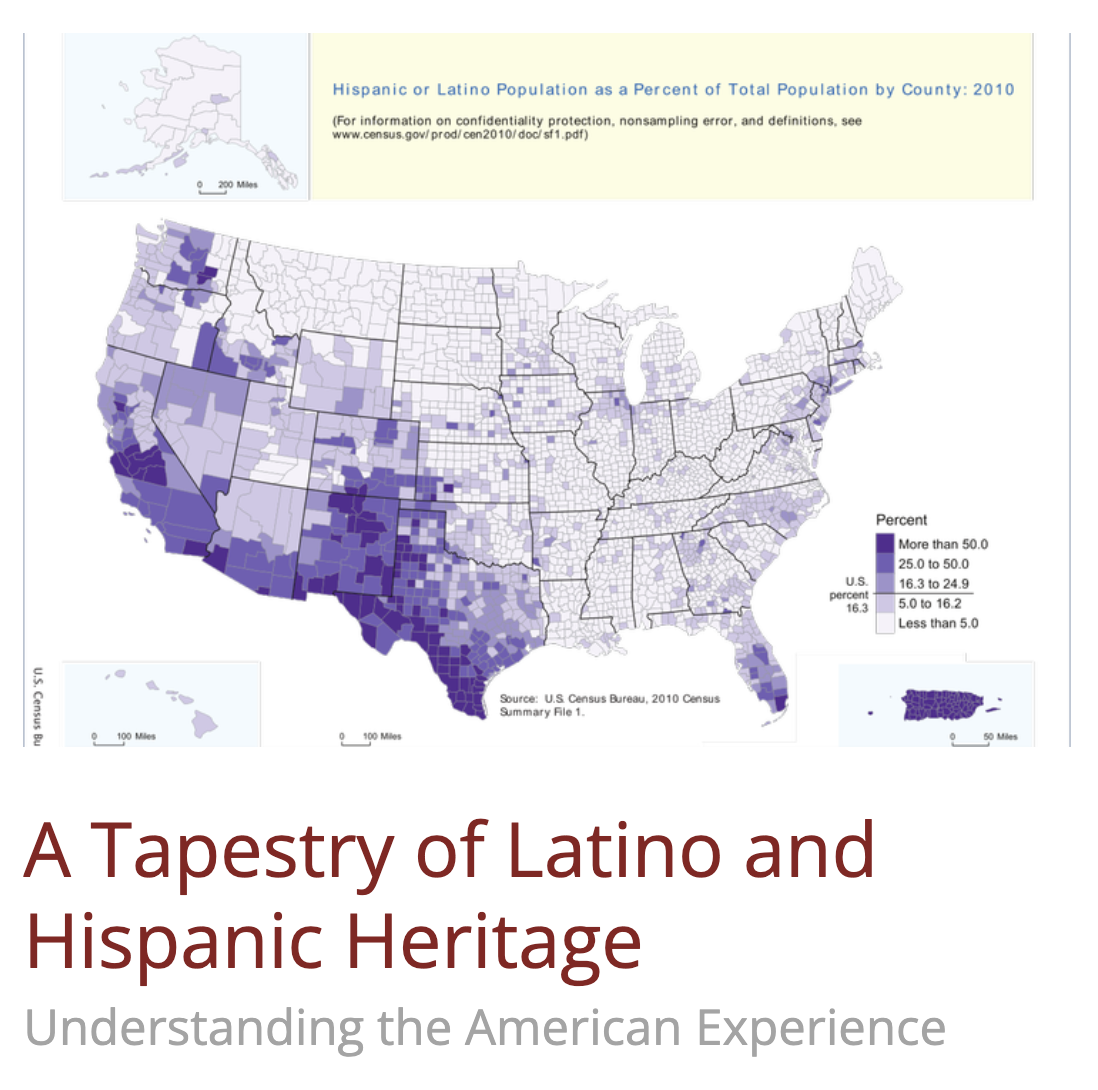
Anyway, I was saying about maybe working with Hannah. I got teamed with her back when school first opened. We started Humanities domain with a set of Grand Challenges having to do with the American Experience, learning about some of the people, famous and not-so-famous, who have ‘made America’. In other places it might be called ‘Understanding the French Experience’, or the ‘Japanese Experience’, but for us it’s our country’s history and related aspects -culture, economy, sociology, arts, etc.
We began the unit with an entry event consisting of a whole-school panel, with break-outs with each speaker afterward. They talked about immigration trends, different waves from certain countries at different times, where they went when they got here and why, and how they contributed. Hannah and I designed a cool digital timeline with images that say something about immigration, with hyperlinks to explore things like music, art, or political history. I traced the family trees of the people on my block, so I got to hang out with my neighbors, hear their stories, and then make a project of how we all ended up in this 900 ft. length of street. So, the Grand Challenges helps us understand what’s been happening in our society, with our laws and politics as much as it does in dealing with climate change or a virus or whatever.
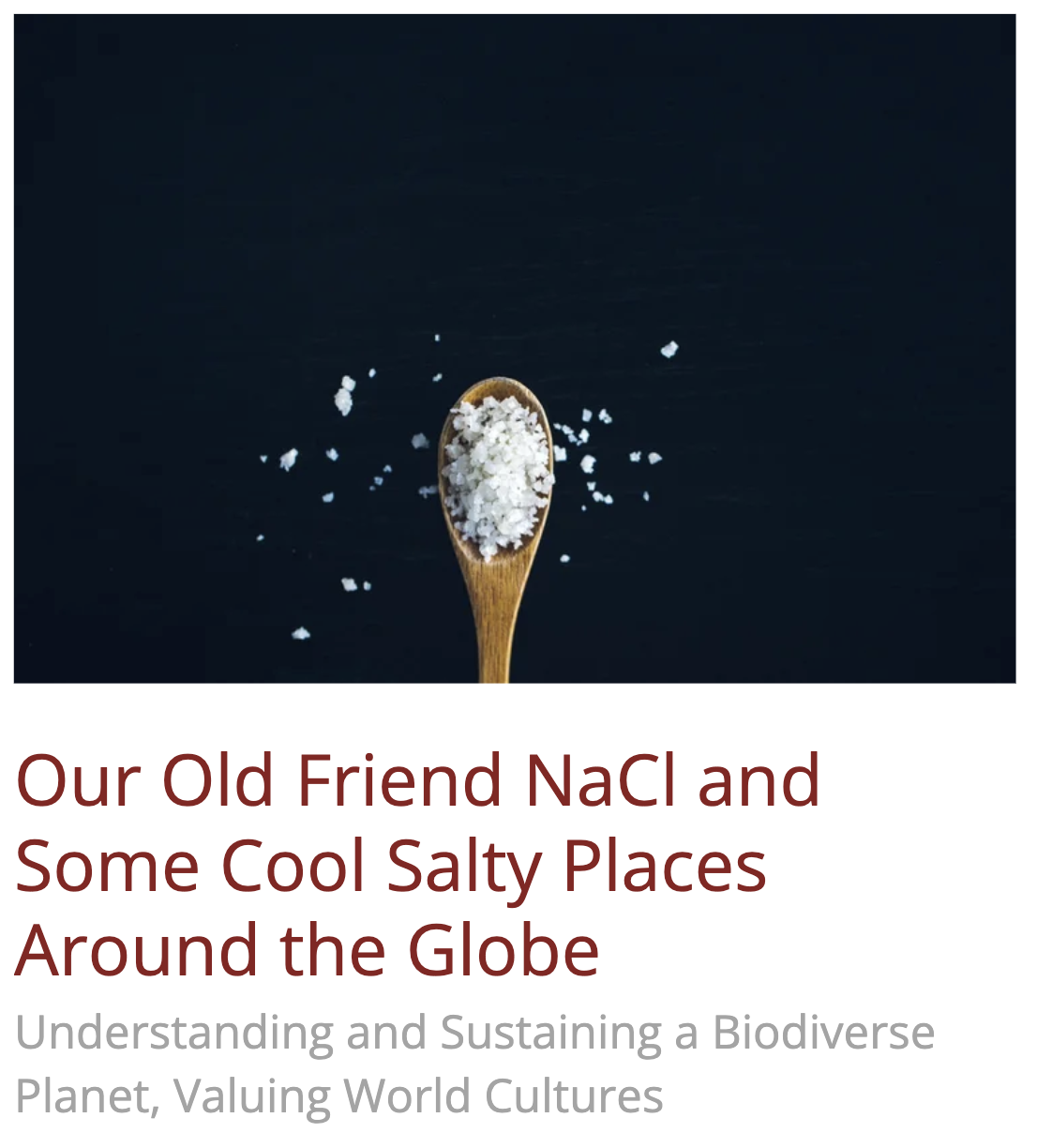
Here's a few examples of other Grand challenges prompts we’ve talked about this year.
GRAND CHELLENGE EXAMPLES

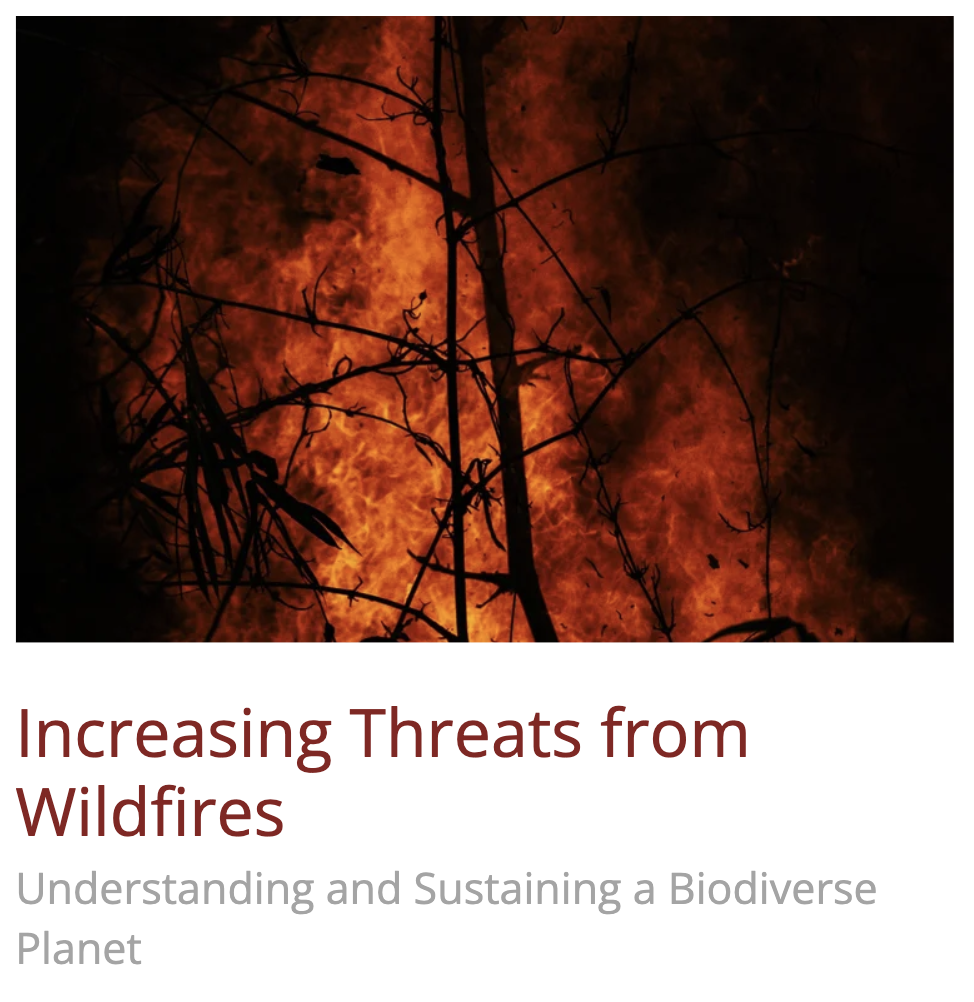
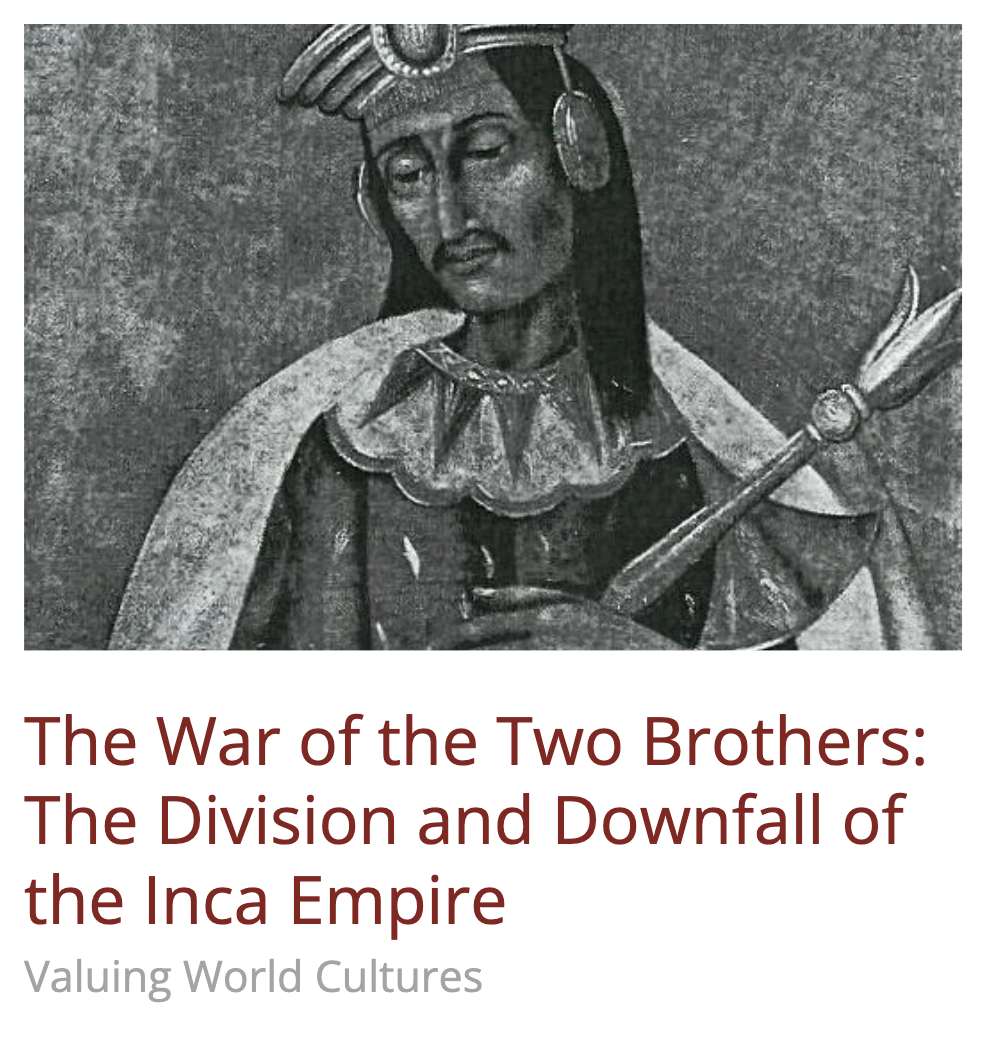
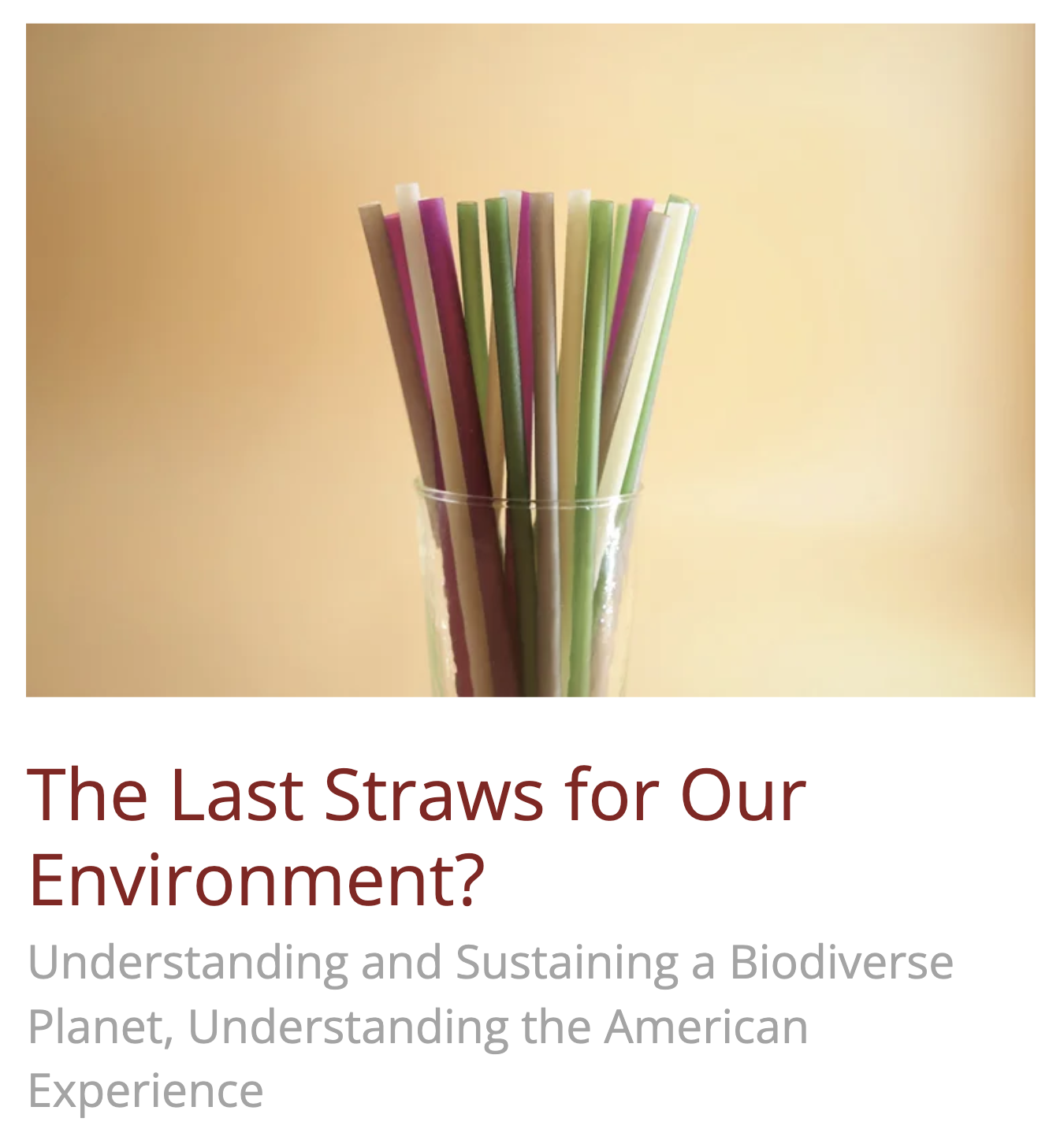
In some of our projects, and definitely in M/S Domain, we do a lot with spreadsheets, because it’s so hands-on and I think it’s a better way to learn other math concepts. I was kind of turned off to math after Algebra I in middle school. But’s math is different here. A group named What If Math is our connection, and we use their ideas. Sometimes we work directly with them to develop new spreadsheets and math exercises that could be based on a Grand Challenge or entirely different. What If Math “Sand and Stars” is a good example of connections, big ideas and questions, and shows how you can use math skills and inquiry. Another one I liked is called “Inca Roads”. One thing the What If Math guys say that our teachers like a lot is that the Web is about links and not lists, because links can take students down new paths.
SUPPORTING STRENGTHS AND DIFFERENCES
Here’s something different, I think. Let’s say that you don’t feel strong in certain skills, or you need help with writing, or with a math concept, you can join a Module. A Module is a study group that anyone can be in, that lasts a few weeks or as long as you and your Module leader agree on. Sometimes we have students new to the country and they have could have modules in English language, as well as special Seminars.
You can also be part of what we call an ALL . It stands for Accelerated Learning Lab, which is a small group you can be part of for a week or two that’s really into a certain topic, and maybe wants to spend time going faster or deeper. I’ve been in ALLs on robots, on hip-hop music digital production, on AI in art.
I haven’t talked about the teachers much, but they really find ways to support us. They tell our parents that they really like this way of teaching, working together instead of teaching by themselves. Teachers put up “desk hours” every week when you can sign up by yourself or with your team and check in on a project guidelines and milestones, or how you’re doing over-all. They can also give advice on other teams to connect with, or maybe with another school they know doing similar work with Grand Challenges. And teachers come around in what they call “field visits”, when they show up to observe your work, ask questions, or make suggestions.
Stuff from desk hours and field visits are part of your portfolio and factor into your Learning Record, and there are tests and quizzes in Seminars to check on how you’re doing in those areas, as well as figuring in all the other work you’ve undertaken. Every student has to organize and be the host of a “Narrative Conference” where your family can come and discuss your work with you and teachers and project advisors, and if you want, someone from outside the school who knows you. Doing your first one can be way stressful but once it happens it’s a good process.
We do a lot of writing, but not just practicing essays and grammar. We write a lot for different purposes, like writing a brief, an owner’s manual, an engineering lab, a PSA, a “letter to the editor”, or different lengths of research papers. What they call “exemplars” of each kind go into our portfolios.
We still have report cards, but they look different from middle school. They’re part of our Learning Record. We use them in narrative conferences. If you want to apply to certain colleges, or get into a training program or whatever, the Core Team will help you shape your portfolio for that. Now that you don’t take all those tests for colleges, the portfolio is really helping kids show what they can do. And it works for internships, or jobs, too. You can also sign up for “honors” work, where you submit one of your ALL’s, or a domain project, or something that kind of distinguishes you, since we don’t have class rank or traditional grading with numbers. Those things can go on your transcript as well. Sometimes, we also have a one-hour morning “x block” before Atelier, if you want to come early for music, or an AP course, or yoga, and X-block changes its offerings twice a year.
If you need help – like stuff going on with your life, or getting along with other kids– there’s also a lot of support available. There are people on campus from different community agencies who come in to work in the school, and we have our own VA counselors. Sometimes there are talk groups, like before the holidays, or if something happens in one of the neighborhoods or with kids we know, or things on the news. Almost everyone gets involved in those groups. There are lots of ways to connect with adults if you need to -you know they’re watching out for you, big time, but it doesn’t bug me. There’s even a health clinic here in the building now, beside the nurse. We talk a lot about wellness, and study it too, in our projects and Interlocks.
“We have a lot of the things I used to look for outside of school.”
I’m really liking being at ERC VA. I feel like there is a lot of important stuff you can learn, and that it's cool to be smart here, just like it’s cool to be good in sports, or music, or whatever. And there is always a lot going on with the teams and presentations, and the Grand Challenges research, so maybe when you think things could get boring something new jumps out or someone invites you into something. Working with teachers is pretty different from middle school. They’re more like coaching you, or connecting you, and it’s not so much about following rules to get a grade as it is about showing what you can do on your own and in a team.
For me, school’s the most interesting it's been since like second grade. I feel like being in school has a lot of the things I used to look for outside of school, like on my phone, or Instagram or YouTube, or my friends. Now I can really learn about interesting things. I can also connect with other kids, even adults, that are into it, too. I feel better about Math, which I used to want to avoid, and I know I have to focus on writing and organizing.
I think I’d want my younger brother, who’s in 7th grade, to come here. When I talk about school at home, he’s interested. It’s different at first here, like I had said, but it seems like they thought about the things that could work better for kids, and how we like to learn, and they made the school that way. Our Pod Director always says they didn’t set out to change every school, just ours. I think they did a good job.
As Ms. V calls it, it's not really all made up yet. There are still some things we can fix and make better, here, and in the community, maybe even the world.
I hope I told you enough about what makes Vanguard a cool place to learn.
THANKS AGAIN FOR VISITING - I HOPE YOU’RE ABLE TO COME BACK SOON!
Thanks to the team behind Zach’s journey – our own Dr. Katrina Kennett,
Kristina Lamour Sansone of Design Instinct Learning,
Rick Schwartz of Straight Talk, and
Julia Civita for web design.
You can reach us at: Larrymyatt1@gmail.com and view us at www.educationresourcesconsortium.org.